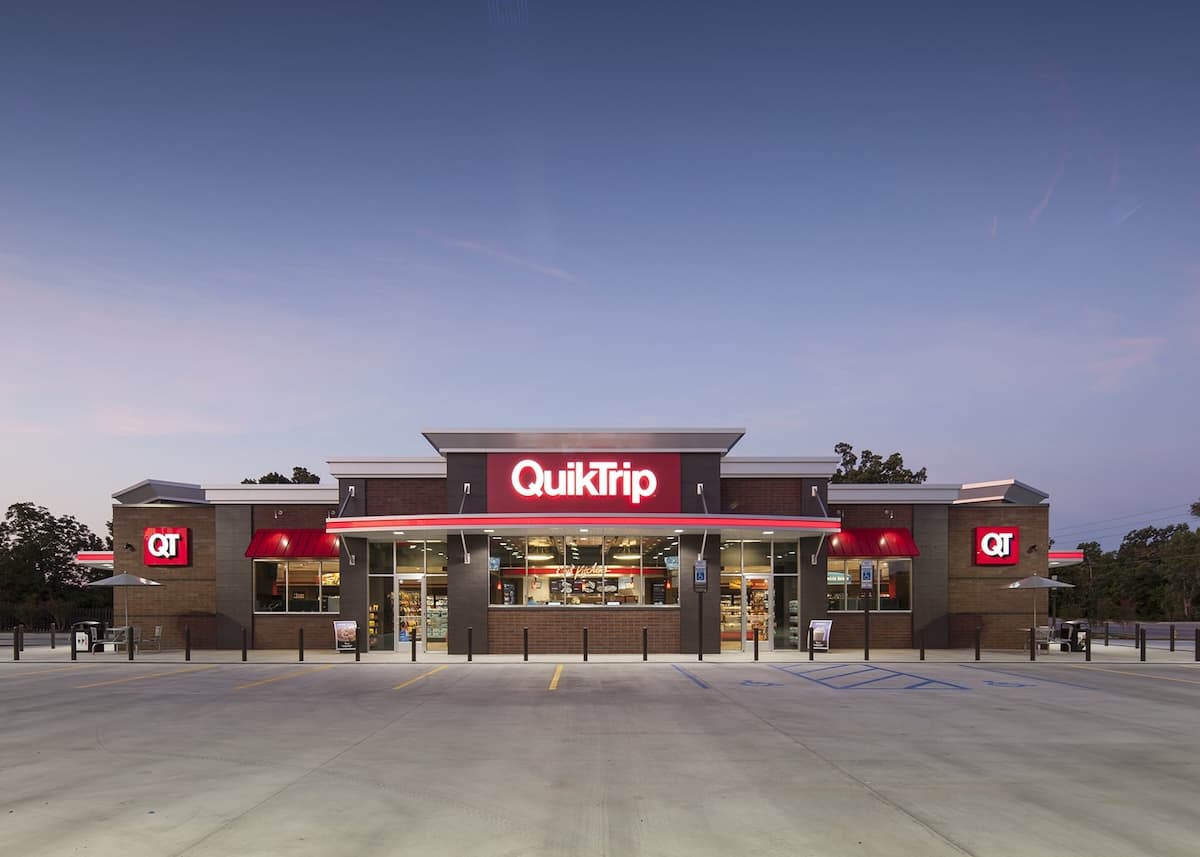
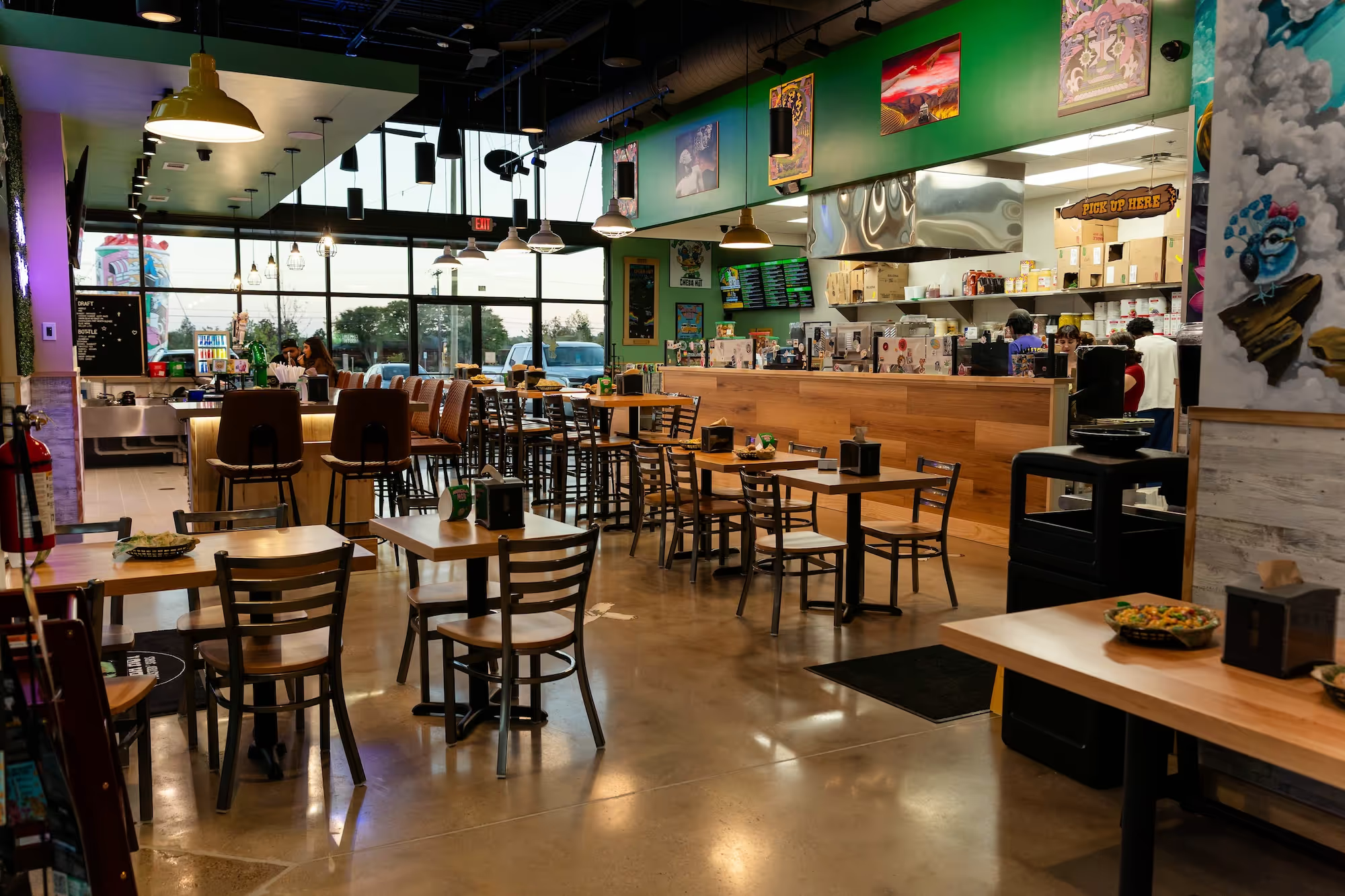
A commercial finish-out is a race against a lease. You signed for a date, rent is running, and the build has to turn a shell or a vacated space into a location that meets your brand standard and passes inspection.
Here is the part that surprises most first-time operators: the construction itself is rarely what moves the date. The sequencing is.
The four things that actually decide your open date
1. Permits, and who is waiting on whom
Permit review is the single most common reason a finish-out slips, and it is almost never a surprise in hindsight. Municipalities differ enormously in review time, and a plan set that gets rejected once can cost weeks in resubmittal.
The work that protects you happens before submittal: a permit set that anticipates what the jurisdiction asks for, and a clear owner for every comment that comes back. If nobody owns the response, the clock runs while the drawing sits.
2. Long-lead equipment
Kitchen packages, rooftop units, specialty lighting, custom millwork: these have lead times measured in weeks or months, and they do not compress because your opening is close. Identifying them at scope stage and ordering against the schedule rather than against construction progress is what keeps them from becoming the critical path.
A long-lead item ordered when the space is "ready for it" is already late.
3. Landlord requirements
In a leased space, the landlord has approvals of their own: work letters, insurance certificates, approved-contractor lists, hours restrictions, loading-dock access. None of it is difficult. All of it takes time, and it runs in parallel with permitting only if someone is actively driving it.
4. Inspection sequencing
Inspections gate the trades behind them. A failed or missed rough-in inspection does not cost you the inspection; it costs you every day the trades behind it stand down waiting to be released.
This is why sequencing matters more than speed. Work that converges is faster than work that races and then waits.
What to ask before you sign a build contract
- Who owns the permit response? Not who submits it, but who answers the comments.
- What are the long-lead items on this scope, and when do they need to be ordered? If you get a vague answer, the schedule is a guess.
- What does the inspection sequence look like, and what stands down if one fails?
- Who do I call when the date is at risk? Every project has a bad week. The difference is whether you hear about it early.
The honest version
A finish-out schedule is a set of dependencies, not a duration. When someone tells you a build takes a certain number of weeks without telling you what those weeks depend on, they are describing the construction and leaving out the part that actually decides whether you open on time.
Ask about the dependencies. The answer tells you a great deal about how the project will run.