Last updated: October 2026
Commercial construction delays rarely arrive as one big failure. They arrive as five small ones: a permit comment cycle nobody planned for, equipment ordered a month late, a failed inspection, a landlord or franchisor sign-off sitting in an inbox, and an RFI that takes ten days to answer. Each costs about two weeks, and each has a person who should own it. On most projects that person was never named.
Here is the part that surprises most operators: the crews on site are rarely what moves the open date. The paperwork around them is, and the paperwork has no foreman.
Why do commercial construction delays come in two-week pieces?
Because every approval loop on a commercial job has a queue, and a queue does not care about your open date. Miss a cycle and you wait for the next, usually one to two weeks away.
The industry numbers say this is normal. KPMG's survey of nearly 300 engineering and construction firms found only half of project owners' projects meet completion deadlines [Source: KPMG 2023]. Nobody was watching the loops.
Commercial construction spending in July 2026 ran at a seasonally adjusted annual rate of $122.5 billion, 4.9 percent below July 2025 [Source: U.S. Census Bureau 2026]. A slipped date lands on the rent clock and the first payroll.
| Delay source | Typical cause | Early warning sign | Who owns the fix |
|---|---|---|---|
| Permit resubmittal cycles | Uncoordinated drawings; comments answered one at a time | Nobody can say when the response went back | Architect of record; GC tracks the date |
| Long-lead equipment ordered late | Procurement waits for permit or "final" selections | No confirmed ship dates at demolition | GC project manager |
| Inspection sequencing and re-inspections | Trades out of order; inspections booked before work is complete | A failed inspection in the first two weeks of rough-in | GC superintendent |
| Landlord and franchisor approvals | Reviews run in series; unclear format | A set "with the landlord" over five working days | Owner or brand construction manager |
| Submittal and RFI turnaround | Questions raised late; too many hands on the answer | Open RFIs older than a week, no named responder | Design team; GC runs the log |
A delay that has an owner gets fixed. A delay that belongs to "the team" gets a meeting.
How do permit resubmittal cycles cost two weeks?
A resubmittal costs two weeks because the second review joins the queue behind everything submitted since your first. Treat the first submission as the only one.
In AGC's 2026 outlook survey of 951 firms, 30 percent named permitting delays and regulatory reviews among their biggest concerns for the year [Source: AGC 2026]. Review desks are busy too: the commercial portion of the Dodge Momentum Index was up 2.3 percent year over year in August 2026 [Source: Dodge Construction Network 2026].
Oklahoma City's published commercial plan review process routes a submittal through the Development Center to supporting departments for simultaneous review, with health department permits as a separate submittal [Source: City of Oklahoma City 2025]. One weak discipline holds up the whole permit: a set missing the grease interceptor detail gets a comment letter, not a partial permit.
Ask who is answering the comments and by what date. If the answer is "the architect is looking at it", the resubmittal is already late. In Oklahoma City or anywhere else, the loop that hurts is the one nobody dated.
When is long-lead equipment ordered too late?
Whenever the order waits for something that does not need to happen first. Permit, paint colour and the last change order can all run in parallel with a purchase order.
The supply chain has improved, which is why teams have relaxed. AGC reports 45 percent of contractors had no supply-chain issues in 2025, but the problems that remain centre on electrical equipment, "particularly switchgear, transformers, generators, control systems", followed by HVAC equipment such as chillers and air-handling units [Source: AGC 2026]. Add walk-in boxes, hoods and kitchen packages on a restaurant. Each has a factory slot that does not care your contractor was waiting for the permit. The drawing-side decisions are in the MEP coordination basics post; this one is about the purchase order.
The warning sign is a schedule with no confirmed ship dates. A good construction project manager can show you, in week one, when each item was released, when the factory confirmed and when it lands. If it only shows install dates, the equipment is being hoped for. A long-lead item ordered when the space is ready for it is already two weeks late.
Why do inspection sequencing and re-inspections eat the schedule?
A failed inspection costs a rebooking plus a rework window, and the next inspector slot sets the pace, not your crew.
Thin crews make it worse. In AGC's 2025 workforce survey of nearly 1,400 firms, 45 percent reported project delays from shortages of their own or subcontractors' workers [Source: AGC 2025]. A short crew finishes rough-in on Thursday instead of Tuesday, Wednesday's inspection fails, and the rebooking lands next week. That is your two weeks.
Re-inspections compound. Cover an inspection with drywall before it passes and the wall comes back off. The full restaurant chain is in the inspection sequence post, so it is not repeated here. The warning sign is any failed inspection in the first two weeks of rough-in. One fail is a bad day. Two is a superintendent booking off the calendar instead of off the work, and on a commercial remodel in an active store the same fail costs double.
How do landlord and franchisor approvals stall a project?
They stall when reviews run in series, the format is unclear, or nobody on the owner's side is chasing the reply. Run them in parallel and give each a date.
The volume is rising. The International Franchise Association projects franchise establishments will grow from 832,521 to 845,000 units in 2026, with Texas and Georgia both among the ten fastest-growing states [Source: IFA 2026]. Every unit needs a brand design review, and most need a landlord review of the same set. A set in the wrong format goes to the bottom of the pile.
Leases often require landlord approval of plans, signage, roof penetrations and after-hours work. Submit them one at a time and you pay a cycle for each. A rollout program with a standard package that reaches landlord and franchisor on the same day pays one. Who funds the work behind those approvals is covered in the TI allowance post.
The warning sign is a set "with the landlord" for more than five working days. This one belongs to the owner or brand construction manager, not the contractor. Only the tenant has a lease to point at when it goes quiet.
What does slow submittal and RFI turnaround cost?
It costs the days between question and answer, multiplied by every trade waiting on it. An RFI that sits for ten days can idle a whole floor.
The numbers are old, but nobody has published better. The Navigant Construction Forum analysed 1,362 projects and more than a million RFIs and found an average first reply time of 6.4 days and a median of 9.7 days, with projects between $5 million and $50 million averaging 17.2 RFIs per $1 million of construction cost [Source: Navigant Construction Forum 2013]. Submittals behave the same way: a rejected hood shop drawing sends the fabricator's slot back.
Most RFI delay is the question being asked late, not the designer being slow. A grid and duct clash found during framing was findable in drawing review. The contractor who issues twenty RFIs before mobilisation looks demanding. The one who issues them during rough-in looks reasonable and costs you a month. The warning sign is an RFI log with open items older than a week and no named responder. If there is no log, you have found the problem.
How ASEL10 approaches this
ASEL10 has run commercial construction across three markets for 20+ years and 200+ projects, and the schedule discipline is built around the five loops above rather than the crews. Every project starts with a procurement log showing release and confirmed factory dates for each long-lead item. Inspections are booked off the work, with the superintendent walking each area before the inspector is called.
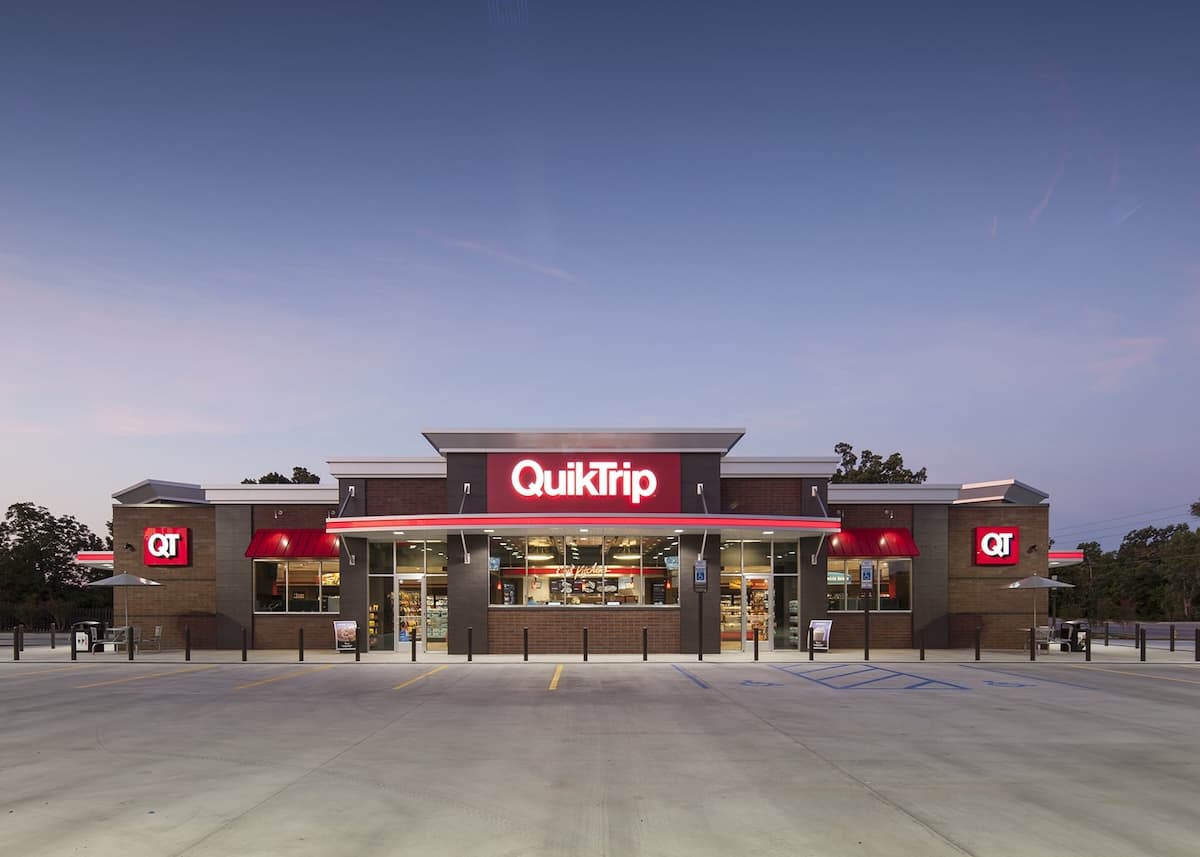
On the Taco Bell program, the same kitchen package, finish specification and inspection gates carry to every Texas location, so brand review and permit set arrive in the format each reviewer expects. On the QuikTrip fryer and kitchen remodels across active stores in DFW and Atlanta, the work runs in off-hours windows, so a failed inspection has nowhere to hide. RFI and submittal logs are chased weekly with a name and date on each line, on a single tenant finish-out or a multi-site rollout. None of it guarantees no bad weeks. It means they show up on a Monday rather than on the open date.
Frequently asked questions
What is the most common cause of commercial construction delays?
The most common cause is not a construction failure but an approval loop that ran late: permit comments, a long-lead order, a failed inspection, a landlord or brand sign-off, or an unanswered RFI. Industry surveys point at labour shortages and permitting as the top pressures, and both show up as missed inspection dates and slow resubmittals. Ask which of the five loops in this post has an owner on your project. The one with no name against it will cost you two weeks.
How early should long-lead equipment be ordered on a finish-out?
As soon as the item is selected and funding is confirmed, which is usually before the permit is issued and often before the construction contract is signed. Switchgear, rooftop units, walk-in boxes, hoods and kitchen packages each have a factory slot, and that slot sets your open date. Ask your contractor for a procurement log showing the release date, confirmed factory date and site delivery date for every long-lead item. If it only shows install dates, push for confirmed dates before demolition.
Who is responsible for permit resubmittals, the contractor or the architect?
The architect of record answers the plan review comments, because most comments are about the drawings. The general contractor should own the date: when comments arrived, when the response went back and when the reviewer confirmed receipt. On a well-run project both parties see the same log every week. If you hear "the architect is looking at it" with no date attached, the resubmittal is already drifting. Ask who is answering each comment and by when, and have the contractor's project manager report on it weekly.
Can a project management service actually prevent these delays?
Most of them, because each of the five delay sources is a tracking problem before it is a construction problem. A project manager with a dated procurement log, an inspection plan sequenced off the work, a parallel landlord and franchisor package, and a weekly RFI log with named responders will catch a slipping loop while it is still days rather than weeks. What it cannot do is remove queues that belong to the city or the factory. It can make sure you are never at the back of one twice.
The Monday test
Take this into the next meeting. Ask for five things: the procurement log with confirmed factory dates, the inspection plan for the next two weeks, the date each permit response went back, the date each landlord and franchisor package was last chased, and the RFI log with a name on every open item. A contractor who can show you all five on a Monday is managing commercial construction delays before they happen. One who needs until Friday has just shown you where the next two weeks will go.
Most projects do not need a faster crew. They need someone who owns each loop. If you would rather see the logs than take the meeting, Start Your Project and bring the open date with you.