Last updated: September 2026
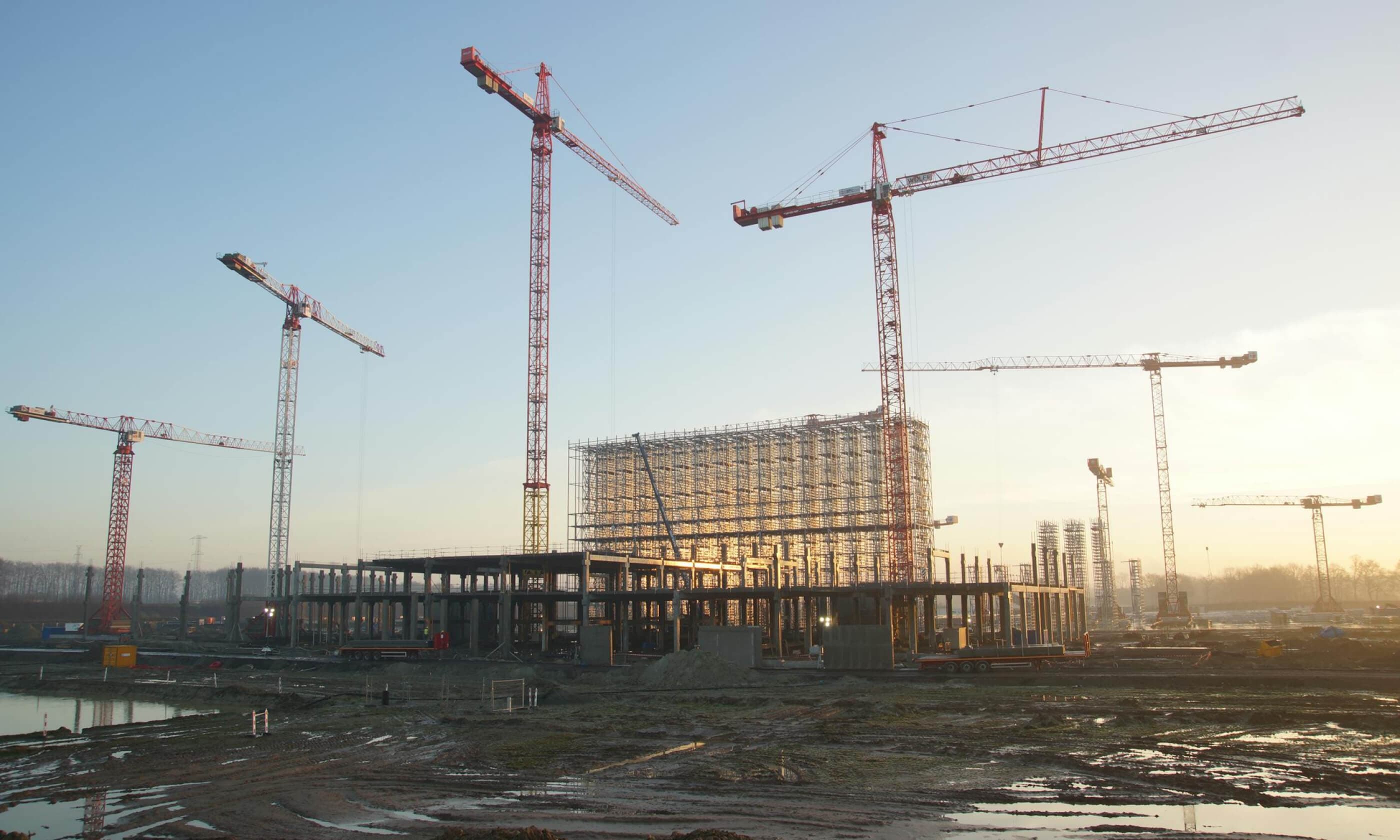
A multi-location construction rollout is one build program executed across many sites under a single scope, schedule and reporting structure. It covers the physical work: kitchen packages, finishes, mechanical, electrical and plumbing, permits and inspections at every location. It is not the same as an IT, POS or AV rollout, which installs equipment into space that already exists. The construction program creates that space, and the technology program usually rides on top of it.
Search for "multi-location rollout" and most results describe network refreshes or point-of-sale deployments. This post defines the construction version: who buys it, what sits inside the scope, and where the technology work plugs in.
Who buys a multi-location construction rollout?
Franchise development teams and corporate construction managers at multi-unit brands buy construction rollouts. They need the same building outcome delivered many times, in many jurisdictions, on one calendar.
The International Franchise Association projects 845,000 franchise establishments in 2026, up 1.5 percent from 832,521 in 2025, with more than 12,000 new franchised businesses opening this year [Source: International Franchise Association 2026]. Each opening is a build, a remodel or a conversion.
NACS counts 151,975 convenience stores in the United States, and 80.7 percent of them sell fuel [Source: NACS 2026]. A flat count does not mean flat construction. The work shifts from new units to kitchen, fryer and foodservice remodels inside stores that keep trading.
What is in scope for a construction rollout program?
The scope is everything a general contractor builds, permits and gets inspected at each site. It is defined once as a template and repeated with site-specific adjustments:
- Kitchen package: hoods, fire suppression, grease interceptors, equipment placement and utility stubs.
- Finish specification: flooring, wall protection, millwork, ceilings, paint and signage backing.
- MEP: electrical service and circuits, plumbing and gas, HVAC and exhaust, coordinated across trades.
- Permits: building, mechanical, electrical, plumbing, fire and health, filed in each jurisdiction.
- Inspections: rough-in, above-ceiling, final and health, sequenced so each site opens on its date.
- Closeout: punch list, completion photos, warranties and a turnover package per location.
This is a large slice of commercial work. The U.S. Census Bureau estimated total construction spending at a seasonally adjusted annual rate of $2,157.6 billion in July 2026, with private nonresidential construction at $755.2 billion and private commercial construction at $116.2 billion [Source: U.S. Census Bureau 2026]. Rollout programs sit inside that commercial figure, alongside tenant finish-outs and commercial remodels.
How does a construction rollout differ from a technology or AV rollout?
A construction rollout changes the building and needs permits and inspections at every site. A technology or AV rollout installs equipment into finished space and needs power, data and mounting that someone else already placed.
Permits are the sharpest dividing line. The City of Fort Worth publishes a first-review target of 7 business days for commercial building permits, 3 to 5 business days for most fire permits and 5 business days for standard sign permits [Source: City of Fort Worth 2026]. Those clocks start after a complete submittal, and every jurisdiction runs its own. A technology deployment rarely touches them. A construction program lives on them.
| Attribute | Construction rollout | Technology or AV rollout | Single-site build |
|---|---|---|---|
| Scope owner | General contractor with one program lead | IT or AV integrator, often the brand's tech vendor | General contractor for that one site |
| Permits | Building, MEP, fire and health at every site | Usually none; low-voltage permit in some cities | Full permit set, once |
| Inspections | Rough-in, above-ceiling, final and health, per site | Rarely; vendor commissioning instead | Full inspection sequence, once |
| Schedule driver | Permit approval, long-lead equipment, inspection dates | Hardware delivery and technician travel | Lease dates and landlord approvals |
| What repeats | Scope template, finish spec, submittal package, inspection gates | Device configuration and install checklist | Nothing; every decision is made fresh |
| Dependency | Site access and landlord or operator approval | Power, data and mounting placed by the GC | Design completion |
The two programs are sequenced, not competing. Buy only the technology rollout and someone still has to move the wall, add the circuit and pass the inspection.
How is a multi-location construction rollout organised?
A construction rollout runs in four phases: build the template, pilot a site, roll the program, then report and refine. The template is the product.
Template. Brand and contractor agree the scope, finish specification, equipment package, submittal set and inspection gates before the first site starts. This is where MEP and trade coordination gets decided once instead of forty times.
Pilot. One site is built to the template. It proves the permit package, equipment lead times and trade sequence in a real jurisdiction. Changes found here are cheap. Changes found at site twenty are not.
Roll. Sites overlap on a consolidated schedule. Permits for later sites are filed while earlier sites are in inspection. One point of contact carries the schedule for all of them.
Refine. Reporting shows where a jurisdiction or supplier behaves differently. The template is updated and the next wave follows the revised version.
The IFA expects franchise growth of 2.5 percent in the Southwest and 1.7 percent in the Southeast in 2026, with Texas and Georgia among the ten fastest-growing states [Source: International Franchise Association 2026]. That puts Dallas-Fort Worth, Atlanta and Oklahoma City squarely inside the rollout map.
How do technology rollouts depend on the construction program?
Almost every fixture a technology vendor installs needs something a general contractor placed first. Power, data, blocking and clearances are construction scope, even when the device is not.
- Digital menu boards need dedicated circuits, data drops and wall backing at exact heights before the drywall closes.
- POS counters need millwork with cable chases, outlets at the right spacing and ADA-compliant counter heights.
- Low-voltage rough-in for cameras, Wi-Fi and speakers must be in the wall before the above-ceiling inspection.
If the construction template ignores the technology vendor's requirements, the technology rollout stalls at every site. The technology package must be an input to the construction template, not an afterthought. The stakes are real. The National Restaurant Association reports more than 1 million restaurant and foodservice outlets and forecasts $1.55 trillion in 2026 sales [Source: National Restaurant Association 2026]. A kitchen that opens late earns none of it.
The basics of MEP coordination apply here. Someone must own the order in which the electrician, the low-voltage installer and the menu board vendor show up.
What does a multi-location construction rollout deliver at the end?
A multi-location construction rollout delivers a set of sites that match one another, opened on a program calendar, each with its own inspection record and turnover package. The deliverable is consistency backed by paperwork.
Three things arrive at closeout for every location: a punch list with completion photos, warranties and equipment documentation tied to that address, and a turnover package the facilities team can use for the life of the site.
The program also delivers a refined template. After the last site, the brand owns a scope document, submittal set and inspection gate list tested in multiple jurisdictions. That is the asset a retail or franchise brand carries forward, and it is worth more than any single site.
Scale matters here. NACS reports that 95,672 convenience stores, 63 percent of the total, are owned by companies with 10 or fewer stores [Source: NACS 2026]. Operators above that line benefit from a program approach rather than a project approach.
How ASEL10 approaches this
ASEL10 Services is a commercial general contractor, and multi-location rollout programs are its core business. The process on the site is stated in four steps: build the template, pilot a site, roll the program, report and refine. One point of contact carries the consolidated schedule and progress reporting across every site.
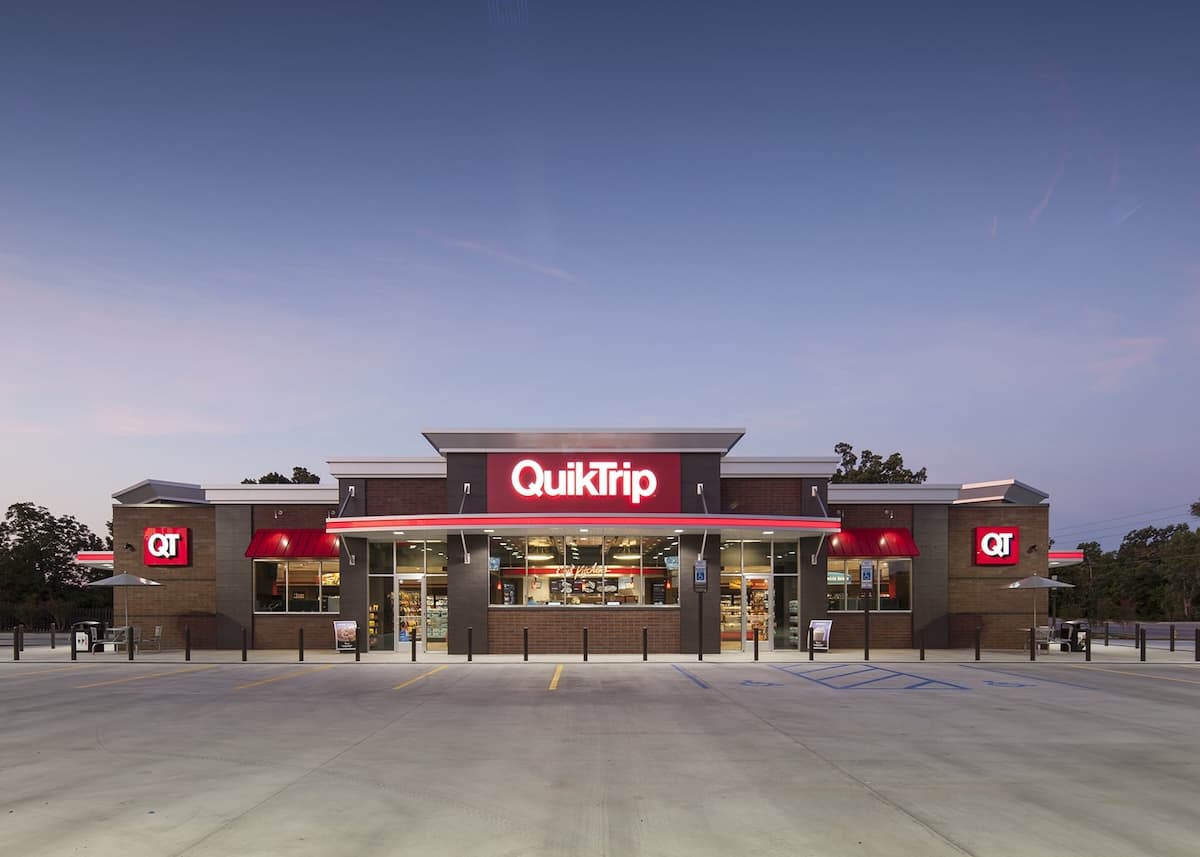
The QuikTrip program covered fryer and kitchen remodels in active stores across DFW and Atlanta. The scope included electrical, plumbing and HVAC, with stores kept trading through off-hours work windows. The Taco Bell rollout in Texas applied the same kitchen package, finish spec and inspection gates at every location. The Jiffy Lube refresh in DFW delivered a consistent updated appearance across sites.
The active markets are Dallas-Fort Worth, Atlanta and Oklahoma City, with additional markets supported depending on the project. Repeatable scope templates and coordination as the deliverable are the working principles, as stated on the about page.
Frequently asked questions
Is a multi-location construction rollout the same as a franchise remodel program?
A franchise remodel program is one type of construction rollout. The term also covers new-unit programs, conversions of acquired sites and equipment-driven refreshes such as fryer or hood replacements. What makes any of them a rollout is the structure, not the work type. One scope template is applied across many sites, permits and inspections run in parallel, and one team reports on all of it. A ground-up program for a corporate brand entering new markets fits the same definition. The buyer is usually a franchise development or corporate construction lead.
Does the general contractor handle the technology rollout too?
Usually not. The technology or AV rollout is typically run by the brand's integrator under a separate contract. The general contractor's job is to make the space ready for it: circuits, data pathways, blocking, mounts and clearances placed per the vendor's specification. The best programs bring those requirements into the construction template before the pilot site. The low-voltage rough-in is then inspected with the rest of the above-ceiling work, and the vendor arrives to a site that needs no rework. Coordination between the two programs is scheduled, not assumed.
Why do permits matter more in a construction rollout than in an IT rollout?
Because every construction site needs its own permit set from its own jurisdiction, and the review clock differs everywhere. Fort Worth publishes a 7 business day first-review target for commercial building permits. Other cities publish different numbers or none at all. Across a thirty-site program, that variation becomes the schedule. A technology deployment rarely needs a permit, so hardware and technician availability drive its schedule instead. Brands that treat the construction program like a technology program underestimate how long permitting and inspections take at each site.
How many sites make a program a rollout rather than a set of projects?
There is no fixed number. The shift happens when the brand wants the same result at every site and one report covering all of them. Three sites built by three contractors on three schedules are projects. Three sites built to one template by one team on one consolidated schedule are a rollout. The FAQ page covers how programs of different sizes are scoped. The earlier post on managing multi-location rollouts covers what to watch once the program is running.
Conclusion
A multi-location construction rollout builds the physical space that every other rollout depends on. It is defined by a repeatable scope, permits and inspections at every site, and one team carrying the schedule. If your brand is planning a program across DFW, Atlanta or Oklahoma City, Start Your Project.